
Track Styles
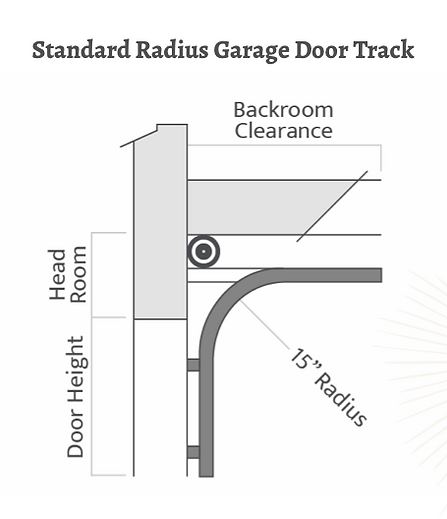
Standard Radius Track

The most common setup, designed for garages with adequate headroom.
Low Headroom Track

Designed for garages with limited space above the door.
High-Lift Track

Raises the door higher up the wall before turning horizontal.
Vertical Lift Track

Used in commercial or specialty residential setups
Spring System Options
Torsion Spring System

This is the most common and recommended system.
Extension Spring System
.png)
These are typically found on older systems.
Rear Torsion System

This setup is used when front headroom is limited.
High-Cycle Springs

Last significantly longer than standard springs—ideal for high-use doors.
Understanding Garage Door Track Radius
Trinitron Garage Doors installs track systems designed to match your garage’s exact space and layout. Track radius determines how your garage door curves from vertical to horizontal, and choosing the right setup is key for smooth operation and proper fit—especially in Seattle homes with tight or unique spaces.
Track options include standard radius, low headroom systems, high-lift setups, and specialty configurations. The right choice helps maximize clearance, improve performance, and ensure your door operates safely and efficiently.
Choosing the Right Steel Garage Door for Your Home
Steel garage doors come in several construction types, each offering different levels of strength, insulation, and performance. From basic single-layer doors to fully insulated, steel-backed options, the right choice depends on your space, your needs, and your budget.For many Seattle homeowners, upgrading to a more insulated and structurally solid door can make a noticeable difference in sealing, noise, and long-term reliability.
Typical time: 10-15 minutes
Standard Radius Track Systems
Standard radius track systems are the most common setup for garage doors and are designed for homes with adequate space above the opening. When there is sufficient headroom and a typical garage layout, this system provides a simple, reliable solution for smooth door operation.
These setups use a gradual curve to guide the door from vertical to horizontal, reducing strain on components and helping the door operate quietly and efficiently. When installed correctly, standard track systems offer consistent performance with minimal maintenance over time.
With the right measurements and proper installation, standard radius tracks provide long-lasting durability and dependable day-to-day use—making them a great fit for most modern garages.
Best for:
-
Garages with adequate headroom
-
Standard home construction
-
Smooth, reliable operation
-
Cost-effective, low-maintenance setups
.jpg)
Low Headroom Track
Low headroom track systems are designed for garages with limited space above the door opening. When standard track setups won’t fit, this system uses specialized hardware to allow the door to operate smoothly in tighter vertical clearances.
This is a common solution in older Seattle homes, remodels, or garages where framing, beams, or ceilings restrict available space. With the right setup, low headroom tracks maintain reliable performance without sacrificing safety or function.
Best for:
-
Low ceilings or limited space above the opening
-
Older homes with tight framing
-
Garages with beams or obstructions
-
Situations where standard track won’t fit
High-Lift Track Systems
High-lift track systems are designed for garages with taller ceilings or extra vertical space above the door. Instead of turning horizontal right away, the door travels higher up the wall before curving back—maximizing overhead clearance and usable space.
This setup is ideal for homeowners who want more room for storage, lifts, or a cleaner ceiling layout. It also improves door balance and can create smoother operation when paired with the right spring system.
With proper measurements and setup, high-lift systems provide a strong, efficient upgrade that makes better use of your garage space without sacrificing performance.
Best for:
-
Garages with high ceilings
-
Maximizing overhead storage space
-
Keeping tracks higher and out of the way
-
Upgraded, smoother door operation
.jpg)

Vertical Lift Track Systems
Vertical lift track systems are designed for garages with significant ceiling height, allowing the door to travel straight up along the wall without turning horizontal. This setup eliminates overhead tracks entirely, keeping the ceiling space fully open and unobstructed.
This type of system is typically used in commercial settings or custom residential garages with tall openings. It requires precise measurements and the correct spring setup to ensure safe, balanced operation due to the full vertical travel of the door.
When installed properly, vertical lift systems offer a clean, efficient solution that maximizes usable space and delivers smooth, controlled performance.
Best for:
-
Very tall garage openings
-
Garages needing full overhead clearance
-
Commercial or custom residential setups
-
Maximizing vertical wall space
Understanding Garage Door Spring Systems
Trinitron Garage Doors installs spring systems designed to match your door’s weight, usage, and garage layout. Springs are what lift and balance the door, and choosing the right type is key for smooth operation, safety, and long-term reliability—especially in Seattle homes with varying usage and conditions.
One of the most important factors to consider is cycle life, which refers to how many times a spring can open and close your garage door before it wears out. Standard springs are typically rated for a set number of cycles, while upgraded options are designed to last significantly longer under daily use.
Spring options include standard torsion systems, extension springs, rear torsion setups for tight spaces, and high-cycle upgrades for extended lifespan. The right choice helps improve performance, reduce strain on your opener, and ensure your door operates safely and efficiently.
Garage Door Spring Options
From standard torsion systems to specialty setups like rear torsion and high-cycle springs, selecting the right spring system is essential for how your door performs day-to-day. Homes with higher usage—such as multiple drivers or frequent in-and-out traffic—benefit greatly from higher cycle springs that reduce the need for early replacement.Choosing the correct cycle rating not only improves longevity but also helps prevent sudden failures and unnecessary wear on other components. With the right spring system in place, your garage door will operate more smoothly, last longer, and better handle daily use.

Torsion Spring System
Torsion spring systems are the most common and reliable setup for modern garage doors. Mounted above the door on a steel shaft, these springs use controlled tension to lift and balance the weight of the door, allowing for smooth and consistent operation.
Because the force is distributed evenly across the shaft, torsion systems reduce stress on other components and help the door open and close more quietly. They also offer better safety and control compared to older spring setups, especially when properly installed and maintained.
Torsion springs are available in different cycle ratings, allowing you to choose a longer-lasting option based on how often your garage door is used. Higher cycle springs can significantly extend the lifespan of your system and reduce the need for future repairs.
Best for:
-
Most residential garage doors
-
Smooth, quiet operation
-
Safer, more controlled movement
-
Long-term reliability with cycle life options
Extension Spring System
Extension spring systems are typically found on older garage doors and are mounted along the horizontal tracks on each side of the door. These springs stretch and contract to help lift the door, working in pairs to balance the weight during operation.
a
While extension systems can be a more budget-friendly option, they tend to have more moving parts and can wear out faster compared to torsion systems. Because they rely on stretching force, they may also produce more noise and less controlled movement over time.
Extension springs are usually rated for a standard cycle life, making them suitable for lower-use doors. However, for higher usage or long-term reliability, many homeowners choose to upgrade to a torsion system.
Best for:
-
Older garage door systems
-
Budget-conscious replacements
-
Lower-use garage doors
-
Situations where torsion conversion isn’t ideal


Rear Torsion Spring System
Rear torsion spring systems are designed for garages with limited space above the door where a standard torsion setup won’t fit. Instead of being mounted above the opening, the spring system is installed toward the back of the horizontal tracks.
This setup provides the same controlled, balanced operation as a standard torsion system while adapting to tight headroom conditions. It’s a great solution for older homes or garages with framing, beams, or ceiling limitations near the front opening.
Rear torsion systems still offer smooth performance and improved safety compared to extension springs, while making better use of the available space.
Best for:
-
Low headroom or tight front clearance
-
Older homes with limited space above the door
-
Garages with obstructions near the header
-
Upgrading from extension springs in tight spaces
Heavy-Duty High-Cycle Springs
Heavy-duty high-cycle springs are designed for garage doors that see frequent daily use. Unlike standard springs, which are typically rated for a limited number of cycles, high-cycle springs are built to last significantly longer—reducing the need for early replacement.
Cycle life refers to how many times your garage door can open and close before the spring wears out. While standard springs may last around 10,000 cycles, high-cycle options can be rated for 25,000, 50,000, or more, making them a smart long-term investment.
These springs also provide more consistent performance over time, helping reduce strain on your opener and other components. For busy households or high-use garages, upgrading to heavy-duty springs improves reliability and minimizes unexpected breakdowns.
Best for:
-
High-use garage doors (multiple daily cycles)
-
Homes with multiple drivers
-
Long-term durability and fewer repairs
-
Reducing strain on openers and hardware
.jpg)
Trusted Garage Door Brands
We install high-quality doors from industry-leading manufacturers:
-
Amarr
-
Garaga
-
Northwest Door
-
Clopay
Each brand offers a range of styles, insulation options, and long-lasting materials designed for the Pacific Northwest climate.

Why Choose Trinitron Garage Doors
If your garage door needs repair or you’re ready to upgrade to a modern system, Trinitron Garage Doors is ready to help. Call today for garage door opener installation and repair in Seattle and surrounding communities.


