
Clean accessible surfaces
On a closed, sound door, follow the finish manufacturer’s cleaning instructions. Keep the floor and accessible beam area clear. Avoid reaching into hinges or moving hardware.

Garage Door Knowledge Center
Build a simple care routine, use the right product for each component, and know when maintenance becomes repair.
Published by Trinitron Garage Doors · Meet owner Wesley Zietz
Manufacturer references and photo credits are listed in this guide.
A homeowner’s guide
Garage door care works best when it is specific to the equipment. Keep the door and opener manuals together with the model numbers, service invoices and notes about changes.
Routine housekeeping, manufacturer-directed care and professional inspection have different roles. A spray can cannot confirm that the system is properly balanced or undamaged.
If you notice damaged hardware, a loose cable, a possible broken spring or abnormal movement, stop operating the door and arrange service. Do not tighten, loosen or adjust spring-loaded parts as routine maintenance.
Recognize the situation
Keep the record brief enough to use. A few dated observations can make the next visit more productive.
Record visible wear, rust, cracked sections or a seal that has changed shape. Photograph only from a safe position.
Note new sounds, hesitation or uneven travel. Record what happened; do not recreate a problem for the log.
Keep the date, parts installed and recommendations from each visit, together with the applicable warranty.
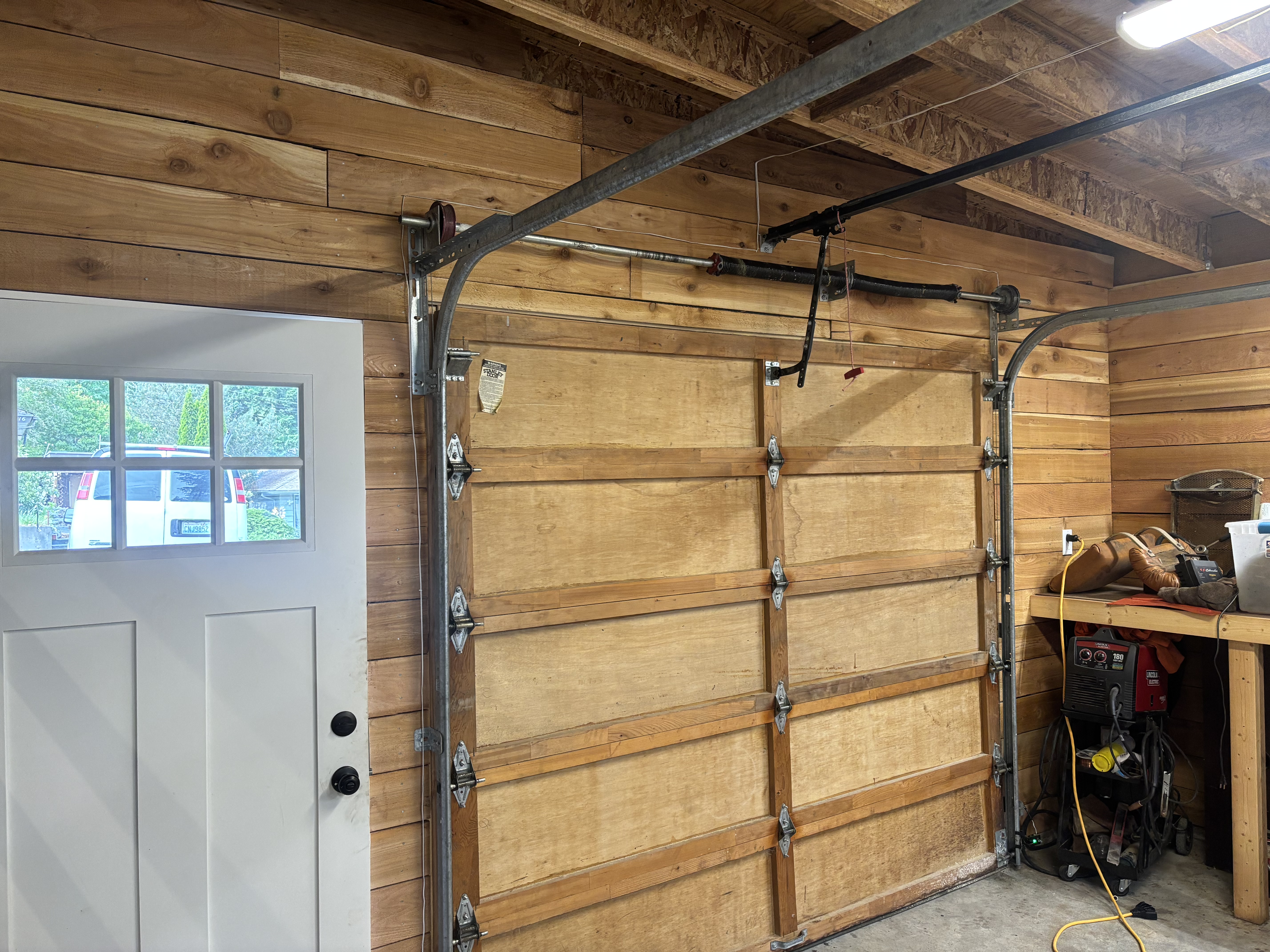
A closer look
Hinges, roller bearings, door surfaces, seals and the opener do not necessarily use the same maintenance product or schedule. Ask for instructions that name the actual component.
Keep storage clear of the opening and avoid touching tension-loaded parts while checking the area.
Understand the system
Use the product and application method specified for the exact door, opener and component.
On a closed, sound door, follow the finish manufacturer’s cleaning instructions. Keep the floor and accessible beam area clear. Avoid reaching into hinges or moving hardware.
Clopay advises keeping lubricant off the track surfaces and distinguishes nylon rollers from components that require lubrication. Follow the applicable manual; do not assume every wheel or bearing is serviced alike. [2]
Make an informed choice
DASMA recommends a monthly inspection and testing routine based on the door and opener manuals. If the condition is uncertain, have the technician perform the checks and show you which homeowner tasks are appropriate. [1]
At the end of a visit, ask for a short written list: the care product, where it belongs, when to use it, and the changes that should prompt a call. Store it with the model information rather than relying on a generic checklist from another door.
From information to action
Mention the last visit, recent changes, and any manufacturer instructions you already have.
Ask the technician to distinguish maintenance tasks from defects needing repair.
Save the findings, completed work and next recommended care interval.
Use the Repair Wizard for the currently listed services, review your quote, and continue to booking. If the cause is uncertain, request an estimate from Wesley.
From our customer stories
Existing customer stories show how a visit can combine maintenance with setup corrections or a separately identified hardware job.
The project notes record smooth operation after the adjustments; Evan praised the completed work.
Harjot’s review says the price stayed the same when Wesley arrived.
Summaries use the work descriptions and customer feedback on the linked project pages. Each job has its own scope; your repair and price may differ.
Quick answers
Use the manufacturer’s schedule and the condition of the equipment. DASMA recommends making inspection and testing a monthly routine; professional service needs can vary. [1]
No single rule covers every roller. Materials and bearing designs differ; use the instructions for the installed component. [2]
Check the seal material and manufacturer instructions. Garaga cautions against petroleum-based products on its PVC weatherstripping and recommends an appropriate silicone product. [3]
Ask what the listed service includes. An inspection may reveal a separate repair, so clarify parts, additional labor and approval before work proceeds.
Do not release or weight-test a door with suspected spring, cable or structural damage. Leave it in place and arrange an inspection.
Read the source material
These primary references support the technical explanations. Use the instructions for your exact door and opener when a procedure or product requirement depends on the model.
Help from Trinitron Garage Doors
Work with a local, veteran-owned garage door business serving Puget Sound. Review your repair options online or talk them through with Wesley.